
Tag: Benefits of Adventure Therapy
The Yin & Yang of Surfing and Recovery
The concept of yin and yang in surfing can also be related to the process of recovery from addiction or other challenges. Here’s how the yin and yang aspects of surfing relate to recovery:

Yin Aspects of Surfing and Recovery:
- Receptivity: Just as surfers must be receptive to the ocean’s conditions, individuals in recovery benefit from being open to new ideas, support, and guidance. Being receptive to change and healing is essential.
- Patience: Recovery often requires patience. Just as surfers wait for the right wave, individuals in recovery must patiently navigate their journey, understanding that progress may come in waves.
- Mindfulness: Surfing encourages mindfulness, and mindfulness practices can be beneficial in recovery. Being present in the moment, observing thoughts and emotions without judgment, and practicing self-awareness can aid in the recovery process.
- Acceptance: Yin energy in surfing involves accepting the ocean’s conditions. Similarly, recovery often begins with acceptance—acceptance of one’s addiction, past mistakes, and the need for change.
- Connection with Nature: Yin aspects of surfing connect individuals with nature, fostering a sense of awe and humility. In recovery, connecting with the natural world or finding solace in nature can be therapeutic and grounding.
Yang Aspects of Surfing and Recovery:
- Action: Yang energy in surfing involves taking action, such as paddling, riding waves, and actively engaging with the ocean. Recovery requires taking proactive steps towards change, seeking treatment, and making healthier choices.
- Courage: Just as surfers need courage to tackle challenging waves, individuals in recovery must summon courage to confront their addiction, face their fears, and make difficult changes.
- Strength: Physical strength is a part of surfing, and individuals in recovery often build emotional and mental strength. Overcoming addiction requires inner strength, resilience, and determination.
- Precision and Timing: Yang aspects of surfing emphasize precision and timing. In recovery, individuals must make well-timed decisions, set goals, and align their actions with their recovery plan.
- Independence: While surfing can be a social activity, it also encourages independence. In recovery, individuals must take ownership of their healing journey, make decisions that align with their goals, and rely on their inner resources.
The yin and yang aspects of surfing and recovery illustrate the importance of balance and harmony in the healing process. Just as surfers find equilibrium in the interplay between waiting (yin) and taking action (yang) to ride waves, individuals in recovery achieve balance by being receptive (yin) to support and guidance while actively engaging (yang) in their recovery journey. Recognizing and embracing both aspects can contribute to a holistic and successful recovery.
To learn more about our surf therapy program please visit serenewatersrecovery.com. We offer surf therapy in SLO and Orange County California. We also offer surf lessons in Morro Bay, Pismo Beach, Cayucos, Dana Point, and Newport Beach, California. To sign up for private surf lessons visit serenewaterssurfadventures.com.
Dropping into the Zen Zone: Surf Therapy and Meditation for Addiction and Mental Health Treatment
Surfing, with its rhythmic dance with the ocean’s waves, has long been revered for its ability to connect individuals with nature, offering not just physical exhilaration but a profound sense of serenity and balance. For those on the path to recovery from addiction or seeking to nurture their mental health, combining the therapeutic power of the sea with meditation techniques can be a transformative journey known as surf therapy.

The Surf Therapy Experience
Surf therapy is more than just catching waves; it’s about connecting with oneself and the natural world in a way that can heal and restore. The ocean’s vastness and rhythmic patterns create an ideal setting for mindfulness and meditation. Here’s how surf therapy plays a pivotal role in addiction treatment and mental health:
1. Mindfulness in Motion: Surfing necessitates absolute presence. As surfers paddle out, wait for the perfect wave, and ride it to the shore, they’re engaged in a meditative experience. The ocean’s movements demand concentration, channeling thoughts away from stressors and towards the here and now.
2. Stress Reduction: The sea’s gentle whispers or roaring waves can act as a natural stress reliever. The combination of the soothing sounds and physical activity promotes the release of endorphins, helping reduce anxiety and depression.
3. Connection to Nature: Being in the ocean, surrounded by the vast expanse of water and the beauty of marine life, instills a sense of awe and appreciation for nature. This connection can enhance one’s mental and emotional well-being.
4. Physical Fitness: Surfing is an excellent form of exercise, promoting physical fitness and overall health. Engaging in regular physical activity can aid in addiction recovery and mental health management.
Meditation on the Waves
Incorporating meditation into surf therapy amplifies its benefits. Before and after surfing, participants often engage in guided meditation sessions. These sessions help individuals focus on their recovery goals, set intentions, and develop a deeper understanding of their mental and emotional states.
1. Mindful Breathing: Deep, intentional breathing is a fundamental aspect of both meditation and surfing. It calms the mind, regulates emotions, and enhances self-awareness.
2. Visualization: Visualization techniques help surf therapy participants visualize their journey to recovery, identify triggers, and create strategies for coping with cravings and stress.
3. Setting Intentions: Before entering the water, individuals often set intentions for their surf session. These intentions can revolve around self-compassion, sobriety, or personal growth.
4. Post-Surf Reflection: After the surf session, participants gather to reflect on their experiences. This reflective practice encourages self-awareness, sharing, and emotional processing.
A Holistic Approach to Healing
Surf therapy and meditation are just two elements of a holistic approach to addiction treatment and mental health support. By integrating these practices with counseling, support groups, and other therapeutic modalities, individuals can embark on a journey that fosters lasting recovery and emotional well-being.
Dropping into the Zen Zone through surf therapy and meditation isn’t just about conquering waves; it’s about conquering the inner turmoil and achieving a sense of inner peace. It’s a powerful reminder that healing is not just about fixing broken parts; it’s about finding balance and harmony within ourselves and the world around us.

surf therapy group.
To learn more about our surf therapy program please visit serenewatersrecovery.com. We offer surf therapy in SLO and Orange County California. We also offer surf lessons in Morro Bay, pismo beach, Cayucos, Dana Point, and Newport Beach, California. To sign up for private surf lessons visit serenewaterssurfadventures.com.
The Transformative Power of Surfing and Meditation: A Journey to Inner Peace
Surfing and meditation may seem like two vastly different paths, but when combined, they can take us on a journey to inner peace and transformation. This union of physical demands and mindfulness creates a powerful and moving experience for both the body and mind. In this blog, we’ll explore the transformative power of combining surfing and meditation and how it can lead to a more fulfilling life.
The Joy of Surfing
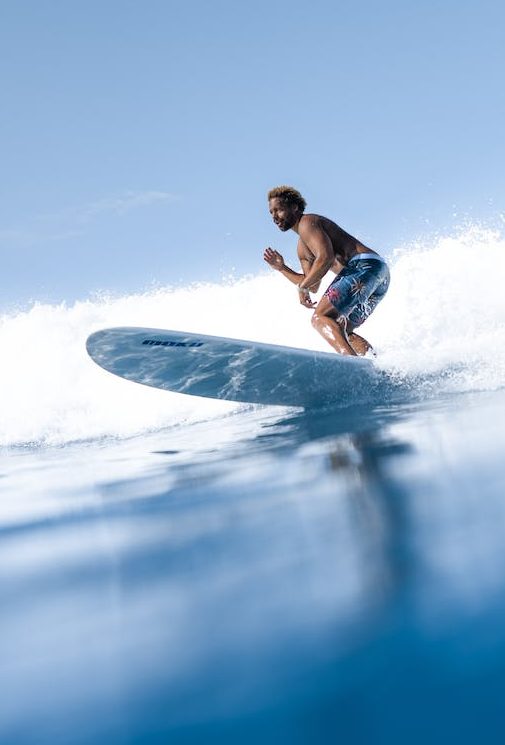
For many, surfing is more than just a sport, it’s a passion that brings immense joy and fulfillment. The thrill of riding a wave and the connection to the ocean can be life-changing, providing a sense of peace and perspective. Surfing requires strength, balance, and coordination, and the repetitive movements involved can release pent-up stress and tension, grounding us in the present moment.
The Calm of Meditation
Meditation is a powerful tool for promoting mental and emotional well-being. It involves training the mind to focus on the present moment and quieting the inner chatter. Regular meditation has been shown to reduce stress, anxiety, and depression, and improve overall health and well-being. When we meditate, we find a sense of calm and peace that can stay with us long after our practice is complete.
The Journey to Transformation
When we bring surfing and meditation together, the results can be truly transformative. The physical demands of surfing help to ground us in the present moment and release pent-up stress and tension. Meanwhile, the meditative qualities of mindfulness bring a sense of peace and clarity to the surfing experience. By facing challenges on the water and developing a sense of calm and focus through mindfulness, we can build the mental and emotional toughness needed to overcome life’s challenges.
Incorporating mindfulness and meditation into your surfing routine can also help to improve your overall performance. By training the mind to stay focused and calm, you can better handle the challenges that arise when surfing, such as navigating rough waters or riding big waves.
Surfing and meditation may seem like two vastly different paths, but when combined, they can take us on a journey to inner peace and transformation. By incorporating mindfulness and meditation into your surfing routine, you can improve your overall performance, build resilience, and achieve a more fulfilling life. So, if you’re looking to deepen your connection to the ocean and to yourself, consider combining surfing and meditation on your journey to inner peace.

Please reach out if you want to sign up for surfing and mindfulness lessons in Orange County or the Central Coast of California (SLO region). We also provide surf therapy groups at local treatment centers. You don’t need to be in treatment or an addict to benefit from surfing & mindfulness practice.
How Surfing Can Help an Addict on the Path to Recovery

Addiction is a disease that affects millions of individuals and their families, often leading to devastating consequences. While overcoming addiction is a difficult and challenging process, there are many ways that surf therapy can help individuals on their journey to recovery. This blog will discuss the benefits of surfing for individuals in recovery and how it can help them find a sense of purpose, build resilience, and achieve lasting recovery.
The Physical and Mental Benefits of Surfing
Surfing is a physically demanding sport that requires strength, balance, and coordination. By engaging in regular physical activity, individuals in recovery can improve their overall health and reduce their risk of relapse. Additionally, the repetitive movements involved in surfing can have a meditative effect, helping individuals to focus on the present moment and reduce stress and anxiety.
Surfing also provides a sense of accomplishment and mastery, which can help individuals in recovery build self-esteem and confidence. The thrill of riding a wave and the connection to the ocean can also provide a sense of peace and perspective, helping individuals to find meaning and purpose in their lives.
How Surfing Can Help Build Resilience
Resilience is the ability to bounce back from adversity and overcome challenges, which is crucial for individuals in recovery. Surfing can help individuals build resilience in several ways, including:
- Overcoming fear: Surfing requires individuals to face their fears and overcome challenges, such as navigating rough waters and riding big waves. This can help individuals in recovery develop a sense of courage and determination, and apply these skills to other areas of their lives.
- Developing problem-solving skills: Surfing requires individuals to think creatively and quickly, as they navigate changing conditions and make decisions on the fly. These skills can be applied to other areas of life, helping individuals to find solutions to the challenges they face in recovery.
- Building a supportive community: Surfing often involves participating in a community of individuals who share a passion for the sport. This can provide a sense of belonging and support, which is crucial for individuals in recovery who may have strained relationships with friends and family.
The Path to Lasting Recovery
Overcoming addiction is a lifelong journey, and surf therapy can provide a supportive and empowering environment for individuals in recovery. By incorporating surfing into their recovery journey, individuals can find a sense of purpose, build resilience, and achieve lasting recovery.
Surfing is a powerful tool for individuals in recovery, offering physical and mental benefits that can help support and sustain recovery. By facing challenges and building resilience, surfers can find a sense of purpose and meaning, and achieve lasting recovery. If you or someone you know is struggling with addiction, consider incorporating surf therapy into their recovery journey and experience the many benefits that this unique and powerful sport can provide.

Therapeutic surfing is one tool in the tool box that can help teens and young adults struggling with substance abuse and/or mental health issues. Of course it is not a replacement for SUD/ mental health treatment, medical care, psychiatric care, or licensed psychotherapy. Serene Waters recommends and supports all aspects of recovery and encourages the infusion of surf therapy into each persons recovery journey. If you need treatment or other professional referrals we are happy to help. We provide group surf therapy services at a few SUD/ Mental health treatment programs in Southern California. If you would like to learn more or sign up for private therapeutic surf lessons please check out our home page. We are located in Orange County, California and the San Luis Obispo Region (Central Coast). If you are a parent concerned about a teen or young adults substance use and/or mental health I am happy to talk to you about it.
-James (949) 464-7123
The Young Adult Mental Health Crisis in America

Mental health is a crucial aspect of overall wellness that plays a significant role in determining the quality of life for individuals. Unfortunately, many young adults in America are struggling with mental health issues that are compromising their ability to lead productive and fulfilling lives. The following is a discussion of the young adult mental health crisis in America, its causes, and what can be done to address this growing problem.
Reasons for the Crisis
There are many factors that are contributing to the young adult mental health crisis in America, including:
- Increased stress and anxiety: Young adults today face numerous stressors, including the pressure to succeed academically, professionally, and financially. This can lead to feelings of anxiety, worry, and stress that can negatively impact their mental health.
- Social media and technology: The rise of social media and technology has brought with it an unprecedented level of connectivity and exposure to the world, which can be overwhelming and contribute to feelings of anxiety, depression, and loneliness.
- Substance abuse: Substance abuse and addiction are also contributing to the young adult mental health crisis, as many young adults turn to drugs and alcohol as a way to cope with stress, anxiety, and other mental health issues.
- Lack of access to mental health services: Many young adults struggle to access mental health services due to a lack of insurance, stigma, and limited access to quality care.
Impact on Young Adults
The young adult mental health crisis has far-reaching consequences for individuals and society as a whole. The following are some of the ways that mental health issues can impact young adults:
- Interference with academic and professional success: Mental health issues can interfere with a young adult’s ability to focus and succeed in their academic or professional pursuits.
- Increased risk of substance abuse: Young adults with mental health issues are at a higher risk of substance abuse and addiction, which can further exacerbate their mental health problems.
- Decreased quality of life: Mental health issues can significantly decrease a young adult’s quality of life, leading to feelings of hopelessness, sadness, and loneliness.
- Increased risk of suicide: Mental health issues can increase the risk of suicide, which is a growing problem among young adults in America.
What Can be Done to Address the Crisis
The following are some of the steps that can be taken to address the young adult mental health crisis in America:
- Increase access to mental health services: The first step in addressing the young adult mental health crisis is to increase access to mental health services. This can be done by expanding insurance coverage, increasing the availability of mental health services, and reducing the stigma associated with mental health issues.
- Promote mental health literacy: Increasing mental health literacy, or the knowledge and understanding of mental health issues, can help young adults recognize and address mental health problems early on.
- Address the root causes of mental health issues: Addressing the root causes of mental health issues, such as stress, anxiety, and substance abuse, is crucial in preventing and treating mental health problems in young adults.
- Increase support for young adults: Young adults need support and resources to help them navigate the challenges of adulthood and maintain their mental health. This can be done by providing access to resources such as counseling, support groups, and educational materials.
The young adult mental health crisis in America is a growing problem that requires immediate attention and action. By increasing access to mental health services, promoting mental health literacy, addressing the root causes of mental health issues, and increasing support for young adults, we can help ensure that all young adults have the opportunity

Therapeutic surfing is one tool in the tool box that can help young adults struggling with substance abuse and/or mental health issues. Of course it is not a replacement for SUD/ mental health treatment, medical care, psychiatric care, or licensed psychotherapy. Serene Waters recommends and supports all aspects of recovery and encourages the infusion of surf therapy into each persons recovery journey. If you need treatment or other professional referrals we are happy to help. We provide group surf therapy services at a few SUD/ Mental health treatment programs in Southern California. If you would like to learn more or sign up for private therapeutic surf lessons please check out our home page. We are located in Orange County, California and the Central Coast of California (SLO region).
The Health Benefits of Sea Water
The health benefits of sea water
Article found on https://www.surfertoday.com/surfing/the-health-benefits-of-sea-water. We love the opportunity to provide surf therapy for people in the Orange County and San Diego county area. Please join us sometime and get a dose of vitamin sea!

The list of sea water health benefits is nearly endless. But, even if it only had a placebo effect on our physique, our brain would still drive us to the beach.
Article found on https://www.surfertoday.com/surfing/the-health-benefits-of-sea-water
It’s good to your mood, and it will boost your health. The only thing that sea water does not do is hydrate our body. But that is not even a downside compared to the benefits
Sea water can be a natural drug and medicine. It stimulates our body and promotes the feeling of well-being that surfers very well know. If you live by the beach or spend a lot of time in coastal areas, you know how receptive we are to sea-sprayed shores.
So, what does sea water contain? On average, sea water has 3.5 percent of salt (sodium chloride). In other words, for one liter of water, you get 35 grams of salts. And then, small parts of magnesium, sulfate and calcium.
Although still not scientifically proven, thalassotherapy uses sea water and sea-based products made from algae, marine salt, mud, seaweed, and ocean water to eliminates skin problems.
But salt water has many other surprising benefits:
Sea water cleans your skin
The mineral salts team up with the sun to regenerate your skin. As a result, ulcers, lupus, acne, and psoriasis are some of the diseases that can be easily cured with sea water.
Sea water strengthens the immune system
The number of red blood cells increases between five to 20 percent after a swim or bath in the sea. The number of white blood cells increases even more. Sea water is a fantastic medicine for people with a weakened immune system, anemia, and high blood sugar levels.
Sea water slows down the development of rheumatism
Ocean water combined with exercise is a great medication for bone and muscle pain, arthritis, circulatory, and postsurgical issues.
Sea water reduces and eliminates anxiety
Because it contains magnesium, sea water will calm you down. People who live a stressful life are advised to go to the beach, not only for its relaxing atmosphere but also because of the soothing medicinal properties of sea water.

Sea water has cicatrization properties
Because it is rich in mineral salts such as sodium and iodine, ocean water has antiseptic and cicatrizing actions on you the skin.
Sea water improves breathing
People who suffer from asthma, severe cough, phlegm and other respiratory problems should go to the beach to breathe the breeze and swim in the sea. The salt water helps eliminate toxins and other elements that attack the lungs.
Sea water cleans out the large intestine
The ingestion of small amounts of ocean water facilitates the cleansing of the colon, detoxifies the body and renews the body’s energies, especially in children.
Sea water helps fight liver and kidney problems
Ocean water accelerates the process of cell regeneration, especially those damaged by diseases such as cirrhosis. It also helps eliminate the excess water accumulated in the abdomen that occurs as a consequence of the disease.
Sea water prevents insomnia and reduces depressive symptoms
Because it helps normalize blood pressure and treats nervousness, a day at the beach will help you sleep better, and will naturally boost your mood.
Meditation and Surfing: A Guide to Zen, Waves and Mindfulness
I Found this article a while ago and have found it to be a very good discussion piece in many of my surf therapy groups that I run in Orange County California. Enjoy!
Found at https://www.surfertoday.com/surfing/meditation-and-surfing-a-guide-to-zen-waves-and-mindfulness
Meditation and Surfing: A Guide to Zen, Waves and Mindfulness
SURFING

Meditating and surfing. For many surfers, it’s the ultimate experience. Learn how to add meditation to your surfing routine.
A meditation session is a rendezvous between you and yourself. It’s all about training and soothing the mind, and entering a mode of freedom and self-awareness which induces relaxation, joy, patience, emotional balance, and love.
Meditation can be a path to achieving a spiritual end, but it is not necessarily linked with religions and sacred activities. As you may have noticed, there is a growing number of people who meditate to clear their minds from stress, tension, anxiety and depressive disorders. Meditation also increases the level of focus and attention, bringing serenity to our lives.
Western societies are slowly turning to meditation, and surfers, as always, are leading the way. The empathy between meditation and surfing is evident. Surfers are, or should be, in perfect sync with nature, the ocean, and the waves.
Whether you’re a pro surfer or a recreational, weekend surfer, you constantly need to build your concentration, focus, and attention so that you’re in tune with the elements water, air, earth, and most of all, yourself. For many of us, surfing is a spiritual experience, and riding a wave is an indescribable moment of zen.
Have you ever closed your eyes between sets? Try it, and simply stay in the moment. That’s the first step towards a meditative state of mind. But don’t think it’s as simple as that. Training the mind is a continuous process that involves practice, patience and compassion. Just like surfing.
So, why do we only exercise our bodies and almost never train our minds? If our brain commands our muscles, why don’t we keep it healthy and clean? What are we doing with the brilliant machine that produces our thoughts and decisions?

If you want to include meditation in your surf training program, here’s how you should start doing it.
You can meditate with or without music. There are plenty of new age songs and soothing sounds of the ocean available online that will help you enter a meditative status. A serene, low light environment will also improve your first meditation session.
Guided meditations can be extremely helpful in the beginning of your practice. And you ask: what do I need to start meditating? It’s easy. All you need is will, and certain conditions that invite your mind to relax:
1. Choose a day when you feel relaxed and ready to give meditation a go;
2. Find a comfortable spot: it can be your home, the office, your local beach, or even an empty lineup;
3. Wear loose clothes;
4. Turn the music on or off;
Once the environment is set, how can a surfer start meditating? Just like in surfing, there is not a strict formula to start it off. The best meditation technique is the one that works for you. However, you can follow a few simple relaxation guidelines, specially designed for surfers, while they wait for waves:
1. Sit on the surfboard with the spine in the upright position;
2. Place your hands on your thighs;
3. Slowly close your eyes;
4. Make the necessary body adjustments until you find a natural, comfortable position, and straight posture;
5. Steadily inhale and exhale through your nose only;
6. Relax your jaw muscles;
7. Concentrate on your breathing rhythm;
8. Forget any pressure to reach a relaxed state;
9. Ignore everything around you including sounds, smells, touches, and tastes;
10. When you feel it’s time, stop your meditation, and slowly open your eyes;

Meditation is never a waste of time. A meditative state of mind is extremely beneficial for your mind, and will rest the brain for long periods of time. A daily practice is good for your wellness – you’ll discover the inspiration, peace, and liberation needed to challenge crowded lineups, snaking, dangerous beginner surfers, and even fear of big waves and three-wave hold downs.
Many surfers meditate: Dave Rastovich, Shaun Tomson, Gerry Lopez, Taylor Knox, Dick Brewer, Greg Long have their moments of mindfulness on a regular basis. Scientists have already concluded that mindfulness practice is an effective therapy for chronic low back pain, a recurrent issue in the sport.
Surfing is totally compatible with meditation, and vice-versa. They complement each other, especially for those who believe in wave riding as a lifestyle, and a path to self-awareness. Include meditation in your surfing activities. It doesn’t matter if it’s just for five minutes. Start meditating now: channel positive energy into your inner self, and free your mind.
If you are looking to learn how to surf but not interested in surf therapy please visit this Siteand sign up!!

Why Surfing Makes You Feel Great
You are getting a lot more out surfing than just a rush because frolicking in the sea has been proven to possess measurable health benefits.
And it certainly shows if you compare surfers to other athletes. Surfers in their prime invariably have clean white teeth, wide shoulders, slim hips, toned muscles, low body fat, great power to weight ratio, flexibility and very few skin ailments. And unlike our football and rugby playing brothers, horrors like athlete’s feet and crotch rot are nonexistent.
Surfing makes you feel better and has many health benefits. Though we don’t need science to back this up, it’s at least good to have that all confirmed.
Surfing has scientifically and medically also been proven to have remarkable healing and longevity properties. Historically, doctors have always recommended their patients go to the seaside to heal almost all ills. They would actually issue prescriptions detailing exactly how long, how often and under what conditions their patients were to be in the ocean. It was called Taking in the waters and was an actual accepted medical solution for everything from allergies to syphilis to nervous breakdowns. Using seawater for medical purposes even has a name: Thalassotherapy.
In 1769, a British doctor Richard Russell published a dissertation arguing for using seawater against scurvy, jaundice, leprosy and glandular cancer. Globally, today’s healing and spa resorts-by-the-sea abound. Places where people can not only let go of their troubles but even take a shot at curing their arthritis. But does the evidence actually stack up? Is seawater an actual cure? The answer is a definite yes.
Ocean water differs from river water in that it has significantly higher amounts of minerals, including sodium, chloride, sulphate, magnesium and calcium. This is why it’s highly useful for skin conditions such as psoriasis, acne, even sunburn. Bathing in natural mineral-rich water is called balneotherapy and has long been used to treat psoriasis. Patients suffering from all manner of things have always reported feeling better after swimming in the ocean.
Of course this may also have to do with sun exposure, which has been found to improve about every bad symptom on earth. Also magnesium-rich seawater improves moisture retention in the skin, making it stronger and more rigid. Which might explain part of our obsession with bikinis.
Also, because it is rich in other mineral salts such as sodium and iodine, clean ocean water is considered an antiseptic, meaning that is also has wound-healing properties. Nasal irrigation, or flushing of the nasal cavity, with salty solutions is used as therapy by people suffering from hay fever, respiratory ailments as well as inflammation and infection of the sinuses. (Which is why duck diving all those bombing close-outs is actually good for you. And we’re not exactly sure, but it probably builds character too).
It is also undisputed in the medical world that people who live by, and swim and surf in the sea have far healthier respiratory systems. This is because seawater is cleansing and it mimics the body’s own fluids in the lining of the airways, refreshing them without irritating them. (Unless, of course, you are one of those cigarette smoking hipsters. That would probably cancel that last one out). And don’t forget the exercise and meditation aspects.
Exercising in natural environments has been shown to have greater benefits for mental health than exercising anywhere else. This is because it combines the benefits of exercise with the restorative effects of being in nature. Surfing in the ocean being the ultimate case.
In his 2014 book Blue Mind, marine biologist Wallace J. Nichols found out why people find themselves in a meditative and relaxed state when they are in, on or under water. One reason is the breathing patterns used during swimming and diving. These stimulate the parasympathetic nervous system. The system that controls organ function and quietens the brain and has effects on brain waves and hormones that influence the brain positively.
The weightlessness of water can also have a calming effect on the mind, even changing or slowing down brain waves, helping to provide a distraction from life, giving a sense of mindfulness, which is a state in which one is aware of one’s surroundings in a meditative fashion. Hydrotherapy, or water therapy and swimming have also been shown to decrease symptoms of depression and anxiety. One study showed the effects of balneotherapy and thalassotherapy were comparable to a commonly used anti-depressant drug called paroxetine.
Now for our cold water surfing brothers there is even more good news. Because cold water swimming activates temperature receptors under the skin that release hormones such as endorphins, adrenalin and cortisol. These have therapeutic benefits for musculoskeletal conditions, muscular strength and bone rigidity. Recurrent cold water also leads to enhanced function of the parasympathetic nervous system (the rest and digest system), which helps with organ function, including the potency of one’s testicles. (Which probably explains the rampant misogyny present in our sport).
This has been linked to an increase in the release of dopamine and serotonin. Cold water surfing is also great for weight loss because surfing in colder waters burns up more calories when trying to keep the body warm. And finally, frequent exposure to cold water also increases the strength of the body’s immune system.
Which is all to say that the well-being we get from surfing goes far beyond just the joy of riding a wave. So kids, explain all this to your parents the next time they do not allow you to go surfing. And grown-ups? Keep surfing as hard as you can and enjoy a long healthy life. Because it no longer matters that most of the world considers our sport a goofy pastime. Because we are right. And they are wrong. And we have known it all along.

Psychological and Emotional Benefits of Rock Climbing
 Psychological/emotional benefits of rock climbing
This is a great article found on http://www.transcendyourlimits.com/awesome-benefits-rock-climbing/
Climbing is a full body workout, meaning your head as well.
It doesn’t just keep your muscles fit, but it also stimulates and improves your cognitive ability, problem solving, confidence etc. Let’s look at the mental benefits of rock climbing.
- Goal setting. To climb rocks you must set goals and move towards them. We’ve already talked about why that’s important in life.
- Being aware of yourself. It requires you to be more aware of the space around you, and how you’re moving your body through it.
- Relieve Stress. When you’re climbing, nothing else matters. It’s much the same effect that skydiving has on you, because you’re so focused on the moment and what you’re doing right now, you don’t have time to worry about things like work or bills. It’s an antistress device!
- Confidence. If you can climb up a mountain, you can do anything. Things that seemed like a big deal before, (public speaking, confrontation, job interviews) now don’t seem hardly as daunting.
- Perseverance. When you’re climbing you always want to get to the top, and you’ll keep trying to get there. That’s what makes it such a good sport because it teaches you life skills as well as giving you a workout.
There are a whole lot more benefits to rock climbing, but I’m just covering a few here. It’s sort of an introduction to the sport if you didn’t know about the benefits, and I’ll probably do a few more posts about the sport when I get back into it in the coming weeks. Oh, I almost forgot.
This is probably my favorite part about rock climbing (Apart from getting thick, strong forearms!)..
The very important reason! – It’s YOU vs YOURSELF
Just like in other areas of life, often it’s just you vs yourself.
You’re the one who normally holds you back in most things, and learning that through rock climbing will show you that in other aspects of life, you can often remove limitations by just stepping outside of them.
I know that sounds like a weird idea, but stick around on the blog for long enough and you’ll understand what I’m trying to say here. The point is, rock climbing is about you challenging and pushing yourself, so it makes you stop thinking about competing and getting approval for others (Unless of course, you’re actually competing in a rock climbing competition!).
It pushes you and makes you want to achieve more, and that’s a skill that’s useful not only on the climbing wall, but in every aspect of your life.
 Serene Waters Adventure Therapy